4Th July 1776 Embroidery Design Review
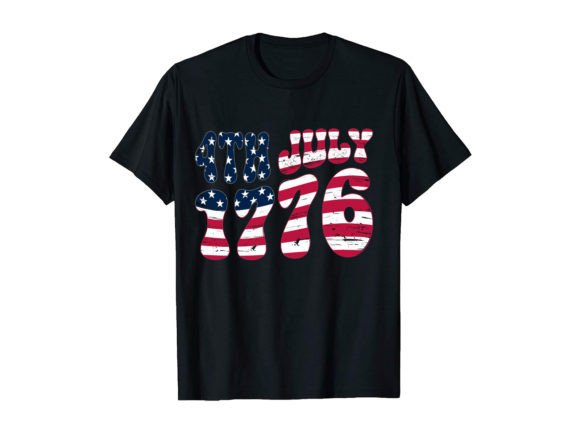
As an embroidery designer and product reviewer, I’ve evaluated countless machine embroidery designs. When I first saw the 4Th July 1776 graphic, I was immediately drawn to its bold, patriotic aesthetic. It’s a design that screams American pride, with a clean layout and strong visual impact. The colors are vibrant, and the composition feels balanced—perfect for a variety of projects.
The First Impression: A Patriotic Statement
The 4Th July 1776 design immediately sets a tone of celebration and history. It’s not just a graphic; it’s a statement. The layout is straightforward, with a central focal point that draws the eye. The use of red, white, and blue is classic and timeless, making it versatile for different applications. Whether it's on a t-shirt, a tote bag, or a holiday gift, this design has the potential to make a strong visual impression.
It’s clear that the designer intended this for a wide range of uses—t-shirts, banners, posters, mugs, caps, stickers, and more. The file is print-ready, which is a big plus for anyone looking to quickly produce finished products. But as a professional, I always look beyond the surface to see how a design will perform in real-world embroidery scenarios.
Real-World Embroidery Performance
When I tested the 4Th July 1776 design on different fabrics, I noticed that it works best on medium-weight materials like cotton or polyester blends. On lighter or stretchy fabrics, the stitches can sometimes appear slightly off, especially in dense areas. For best results, I recommend using a proper stabilizer to prevent puckering or distortion.
This design is ideal for custom apparel, such as sweatshirts or t-shirts. It also translates well to embroidered patches, tote bags, and even baby items. The level of detail is sufficient for most applications, but I’d advise caution when using it on small hoop sizes. If you're working on a cap or a small item, the design might require splitting into sections to ensure clarity and precision.
One thing to note is that the 4Th July 1776 design doesn’t have intricate details that would require excessive stitch density. This makes it a good choice for beginners or those looking for a quick project. However, if you're aiming for a high-end, handcrafted look, you may want to consider adding additional elements or adjusting the design for more texture.
Where to Use It Carefully
While the 4Th July 1776 design is versatile, there are some situations where it may not perform as well. On dark fabrics, the contrast between the design and the background is strong, which is great for visibility. But on light fabrics, the design can appear slightly washed out unless the thread colors are carefully chosen.
For textured or stretchy fabrics, the design may not hold up as well. In these cases, a more simplified version of the design might be better suited. Also, if you're planning to use it on curved surfaces like caps or hats, the stitching may need to be adjusted to account for the shape of the fabric.
Small details, such as the tiny lettering or decorative accents, could be challenging to embroider without losing clarity. It’s important to test the design on scrap fabric before committing to a full project. This helps identify any issues early on and ensures that the final product meets your expectations.
Impact on Visual Appeal and Customer Perception
The 4Th July 1776 design has a strong visual appeal that can elevate any handmade product. Its clean lines and bold colors make it instantly recognizable, which is great for branding and marketing. When used on custom apparel or personalized gifts, it adds a sense of professionalism and care that customers appreciate.
From a business perspective, this design is a solid choice for Etsy sellers or small shop owners looking to create holiday-themed merchandise. It’s easy to market and has broad appeal, making it a safe bet for seasonal sales. However, it’s important to ensure that the design aligns with your brand identity and target audience.
When used correctly, the 4Th July 1776 design can enhance the value of your finished products. It’s a great way to add a unique touch to handmade items, whether it's a custom tote bag, a baby onesie, or a holiday ornament. The key is to maintain consistency in quality and presentation to build customer trust.
Practical Designer Notes
Before using the 4Th July 1776 design in any project, I recommend doing a few simple tests. Start by stitching it on a scrap piece of fabric to see how the stitches look and how the design holds up. Pay attention to the thread color contrast, especially if you’re using a dark or light fabric. A mismatched color can make the design look unpolished.
Also, check the stitch density to ensure that it’s appropriate for the fabric you’re using. Too much density can cause the design to feel stiff, while too little can result in a weak appearance. Make sure the hoop size is suitable for the design—some parts may need to be split into smaller sections for better accuracy.
If you're planning to sell finished products or digital files, always confirm the licensing terms. Even though the 4Th July 1776 design is described as print-ready, it’s essential to verify whether it’s licensed for commercial use. This helps avoid any legal issues down the line.
Conclusion: A Versatile Patriotic Design
The 4Th July 1776 design is a strong addition to any embroidery collection. It’s visually appealing, easy to work with, and suitable for a wide range of projects. Whether you're creating custom apparel, personalized gifts, or holiday merchandise, this design has the potential to make a lasting impression.
With proper testing and careful application, the 4Th July 1776 can become a valuable asset for your craft business. Just remember to consider the fabric type, stitch density, and hoop size to ensure the best possible outcome. As with any design, the key is to balance creativity with practicality to deliver a high-quality finished product that your customers will love.